There are six children in my family, ages 2 to 11, and for this reason, Sunday lunch hasn’t been peaceful for a long time. Over appetizers, paella, red wine (for the adults only), fruit and dessert, parents, grandparents, aunts and … Continue reading
 The San Fermín festivities will come to a close this weekend, at midnight on the 14th of July. That is the moment when a great crowd gathers in front of el ayuntamiento (Town Hall) of Pamplona to sing the traditional song "Pobre de mí".
 In my Valencian hometown in the late 80’s and early 90’s sangría was a staple in las fiestas del instituto (high school parties); it was the cheapest alcoholic drink available. High school parties took place in bares (bars) and discotecas …
 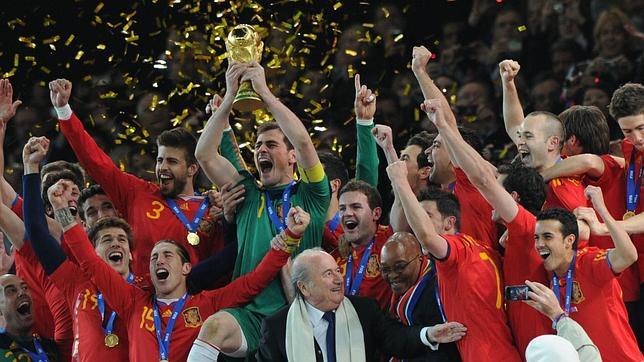 El fútbol (soccer) is the number one sport in Spain. This year during el Mundial de Brasil (the World Cup) the expectations were high: Spaniards wanted to repeat the 2010 victory in South Africa, but la selección (the national team) …
 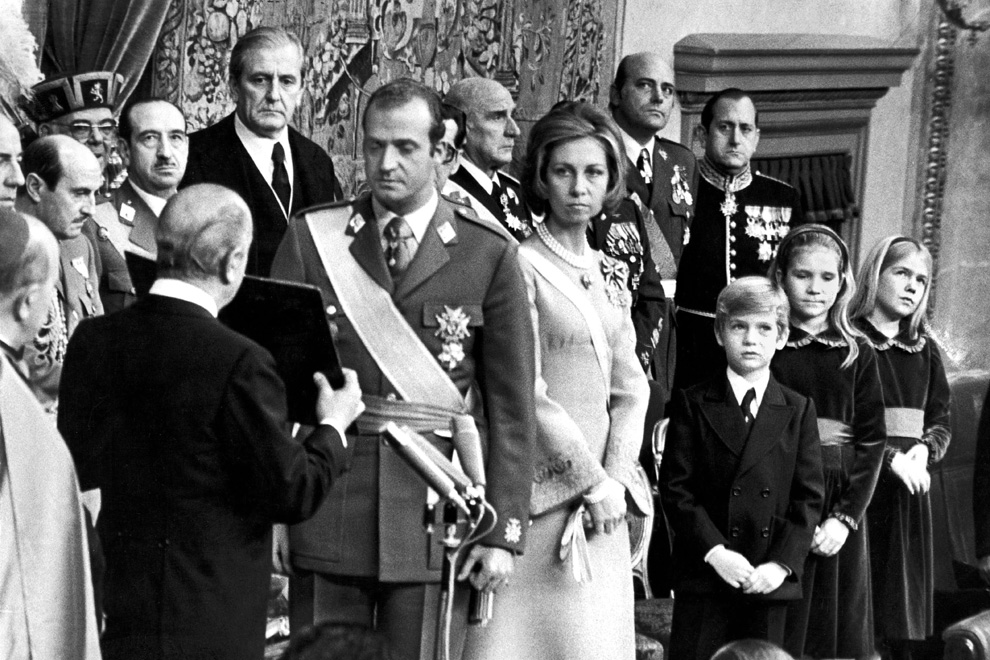 The imperfect and the preterite are two important tenses (but not the only ones) used in Spanish to talk about the past. You have to be patient with yourself because mastering them is going to take a while. So, let’s …
 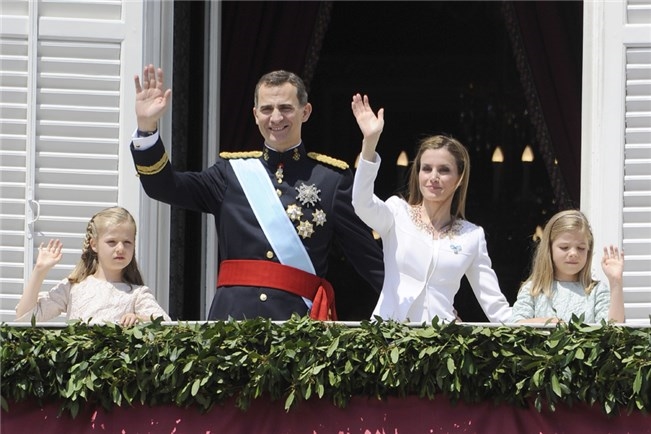 Felipe VI is the new King of Spain. His father, King Juan Carlos I, helped transition Spain into a democracy and helped stop a military coup in 1981, but nowadays the monarchy has to find its mission in Spanish society. …
  Spaniards traveling abroad at lunch time often miss a great Spanish lunch concept: Los restaurantes de menú (lit., menu restaurants) that serve el menú del día (the menu of the day) for lunch. This consists of a two-course lunch, plus dessert, plus coffee, plus beverages for 7 to 10 euros. Let's go over the basics of the menu del dia.
 Right after Easter many families in Spain celebrate la Primera Comunión (First Communion) of their children. During the Sundays of the month of May it is easy to see around the churches of cities and small towns groups of children elegantemente vestidos (very elegantly dressed). Most girls llevan vestidos de comunión (wear communion gowns) that echo los trajes de novia (wedding gowns). Many boys llevan traje de marinero (wear sailor suits) - the reason why is widely unknown. Some children van vestidos de particular (wear "non formal" clothes): The girls wear vestidos (dresses) and the boys traje de chaqueta (suit) or pantalón y camisa (pants and shirt).