Last week, Carmen, our Spanish e-Tutor, wrote about some of the subtle differences between the meanings of verbs in the Spanish spoken in Spain versus Latin America. Today she discusses the tricky differences in food vocabulary.
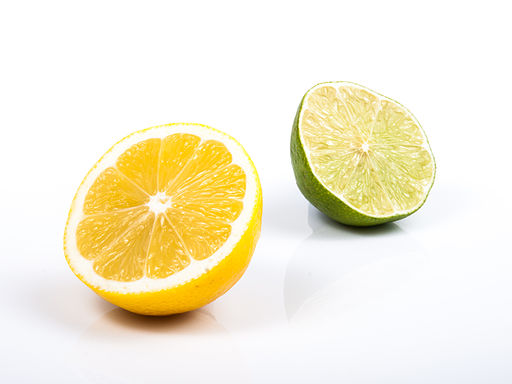
When one day this summer I was learning to make guacamole from a Mexican friend, first we had to clarify the ingredients, and it wasn’t easy. Avocado/aguacate was easy, onion/cebolla, as well. Cilantro was cilantro for me, and culantro for my friend. Lime was tricky: I translate it as lima and she says limón, but for me limón is the yellow lemon. What was impossible was chile. Here we had two issues going on: We don´t have a culture as splendid as the Mexicans around chiles –I have never eaten them in Spain; but we have the word pimiento (pepper) that comes our way without really helping. After much discussion, we finished the guacamole, and it was delicious.
At some point, you might have this experience as well: vocabulary related to daily life has the most variations across cultures. (Ed. note: Just think of the difference between American English and British English with food words such as zucchini/courgette, rapeseed oil/canola oil, cilantro/coriander, etc. These everyday vocabulary differences aren’t just relegated to Spanish!) The chart below shows you some common examples. It simplifies the diversity enormously and, by doing so, loses some accuracy in definition, but at least you can get a taste of some of the comparative vocabulary.
FOOD VOCABULARY / VOCABULARIO DE COMIDA
| Latin America | Spain | English |
| papa | patata | potato |
| durazno | melocotón | peach |
| frijol, chícharo, habichuela | judía, alubia | red beans |
| arbejas | guisantes | peas |
| jugo | zumo | juice |
| guajolote | pavo | turkey |
| guineo, banana | plátano | banana |
| maní, cacahuate | cacahuete | peanut |
| elote | mazorca | corn on the cob |
| chile | guindilla | hot pepper |
| pimiento, ají | pimiento | sweet pepper |
| torta, pastel | tarta, bizcocho | cake |
| sánduche | bocadillo | sandwich |
| paleta, chupetín | piruleta | lollipop |
(Image courtesy of Wikimedia Commons.)
