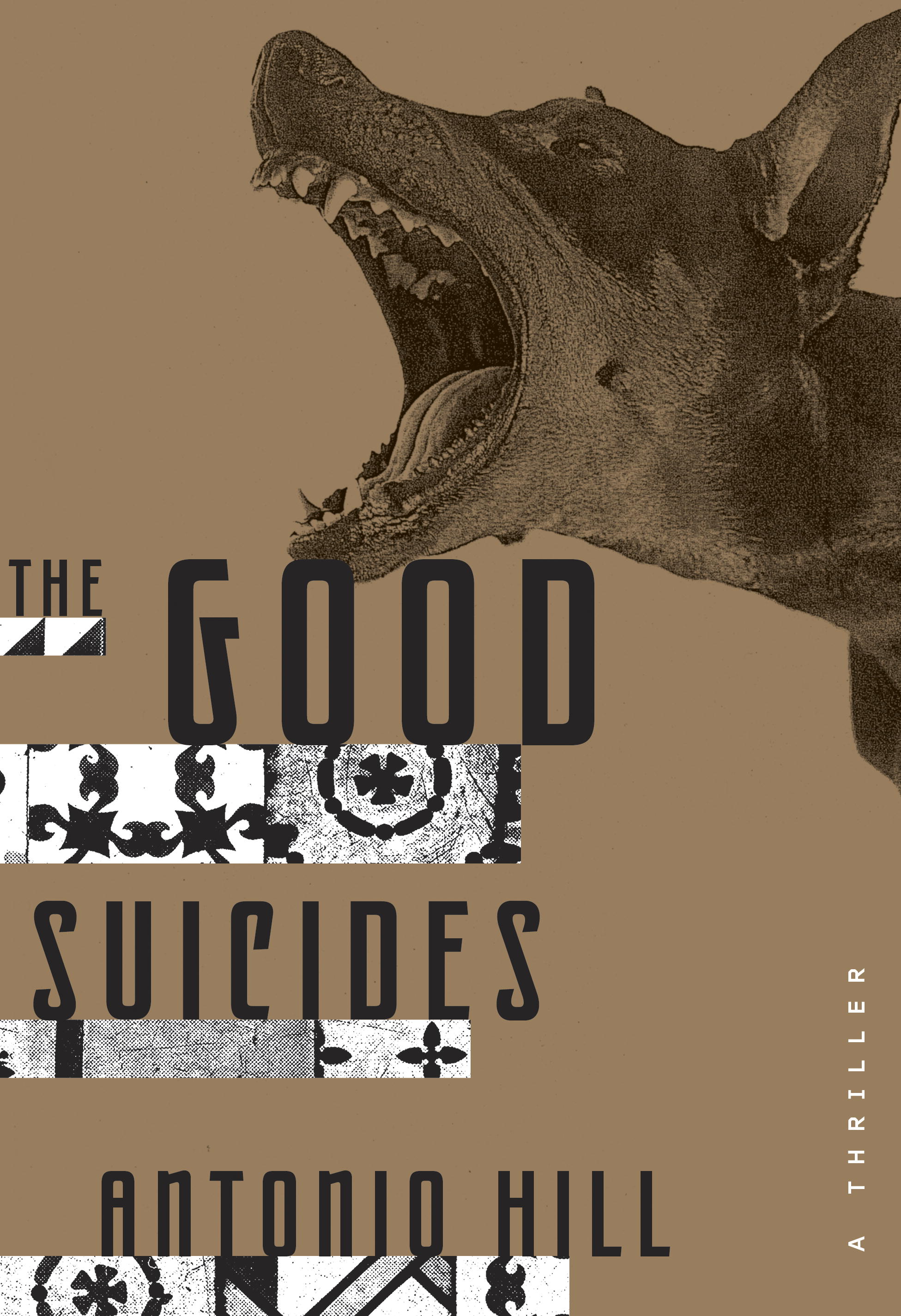
Author Antonio Hill shares with us some lesser known facts about the language, culture and neighborhoods of Barcelona, the setting of his latest novel The Good Suicides and Summer of Dead Toys.
Barcelona: lights, shadows and languages
I am sure that if I say that Barcelona is a beautiful city, almost everyone who has visited it would agree with me. It is undeniably true and one of the reasons that I chose it as the setting for the Inspector Hector Salgado detective series. A cosmopolitan city, with singular architecture and a usually good climate, Barcelona has become one of the most popular destinations for tourists, who can enjoy the pleasures of old Gothic neighborhoods and then, at the end of the day, relax near the beach having a drink while watching the sunset in the Mediterranean sea.
But, of course, Barcelona is much more than a touristic destination and there are a lot of streets and places that are never seen by occasional visitors. One of my favorites is Poblenou – where Hector Salgado himself (the main character of the series) lives. Poblenou is one of the areas that have experienced major changes since the 1992 Olympics. A traditional neighborhood, mostly known for its huge amount of factories (something that in the 19th century earned it the nickname of “Catalan Manchester”), it became a residential area along the 20th Century and went through a major transformation around 1992.
Those old factories, now abandoned, have been transformed into very “cool” lofts, mostly occupied by graphic designers, painters, musicians, and in general everyone who needed a big studio and living place to a more or less reasonable price. Next to them stand the typical buildings and the modern ones, giving the neighborhood a lively unusual atmosphere where trendy and bohemian mix with modernist architecture and ordinary Catalan families. The beach is not far, so it is easy to spot people in swimming trunks and T-shirt walking down the streets that lead to the sea.
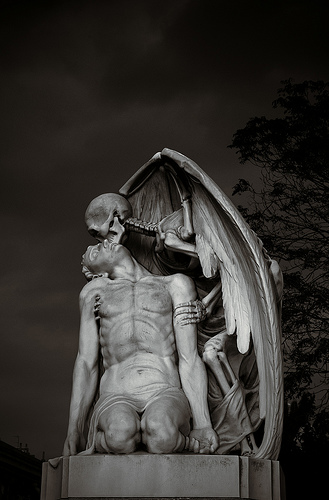
By the way, and only for those who like the dark side of cities (literally), I would advice you to spend some time in Poblenou’s cemetery, one of the most peaceful and thrilling spaces in the area, wonderfully adorned with works of funerary art like the impressive “Kiss of Death” (Google it, I bet you love it!)
Many visitors or even students who come to Barcelona are shocked to find that there are two official languages in the city and in the whole region of Catalonia: Catalan and Spanish. For those who are not familiar with history, let’s say that Catalan is (as French, Italian or Spanish) a language that comes from Latin. The first texts found in what would later be called Catalan date from the 9th century, and they are a religious body of writing. Catalan reached its splendor around the XV century and lived a decline for the following three hundred years, mostly due to political tensions between the region and the rest of the country. The darkest moment for the language arrived in 1939, when Franco’s dictatorship forbade the use of it out of the privacy of homes in a clear attempt to crash any opposition coming from Catalonia and to emphasize the unity of the country. Fortunately, that time is over and nowadays both languages co-exist without problems in the streets of Barcelona, giving the city a peculiar and attractive bilingualism that, for me, is an evidence of what makes of Barcelona a great city: the will of people to understand each other over political differences.
Photo Credit: MC SimonE via Compfight cc
