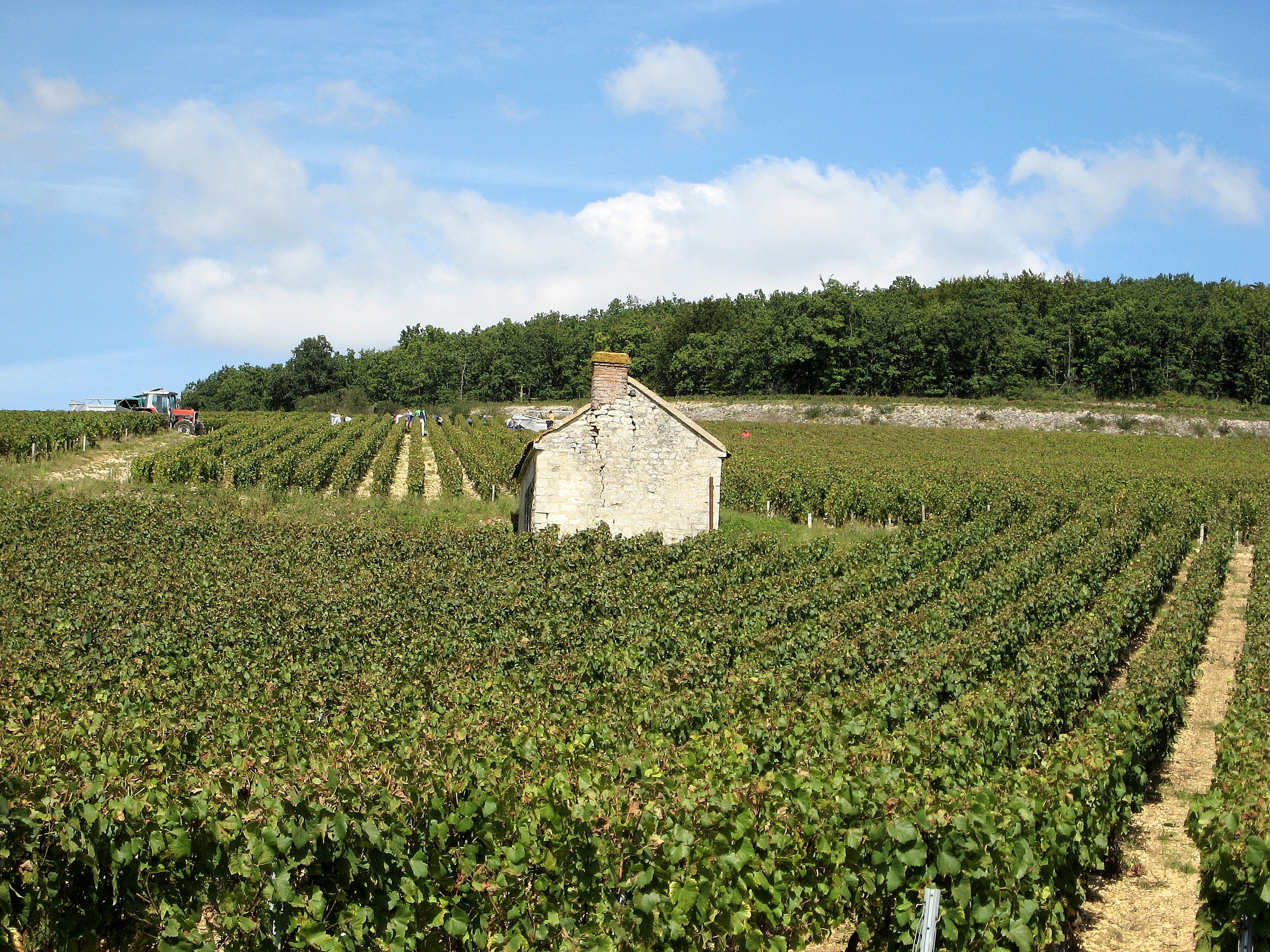
Harvest time in the Chablis Premier Cru vineyard of Fourchaume
In various places of the planet, man has settled thousands of years ago and begun to fashion a piece of the earth around him, working with its raw elements to create and develop new products, hence, effectively weaving, generations after generations, an extremely intricate web tying him to his land.
In France, serious efforts have been made over the years to protect or preserve the identity of certain traditional forms of this practice. The Appellation d’origine contrôlée (AOC), which translates as “controlled designation of origin”, is the French certification granted to certain French geographies for a variety of agricultural products; this concept is based on the idea of terroir.
The concept of Terroir (from terre - “land”) is a French term now internationally used to describe the special conditions (geography, geology, climate, farming techniques) of a particular place that contribute to the unique qualities of a product. Winemaking especially benefits enormously from this denomination, which gives certain local wines a distinct expression, beyond the varietal or even the producer.
For new winemakers on the scene — in European countries and beyond — the term has provoked considerable controversy; some indeed feared a certain elitism and a justification to raise wine prices. In an attempt to properly define it, a series of international meetings began in the late 1990’s, though no satisfying consensus has been reached.
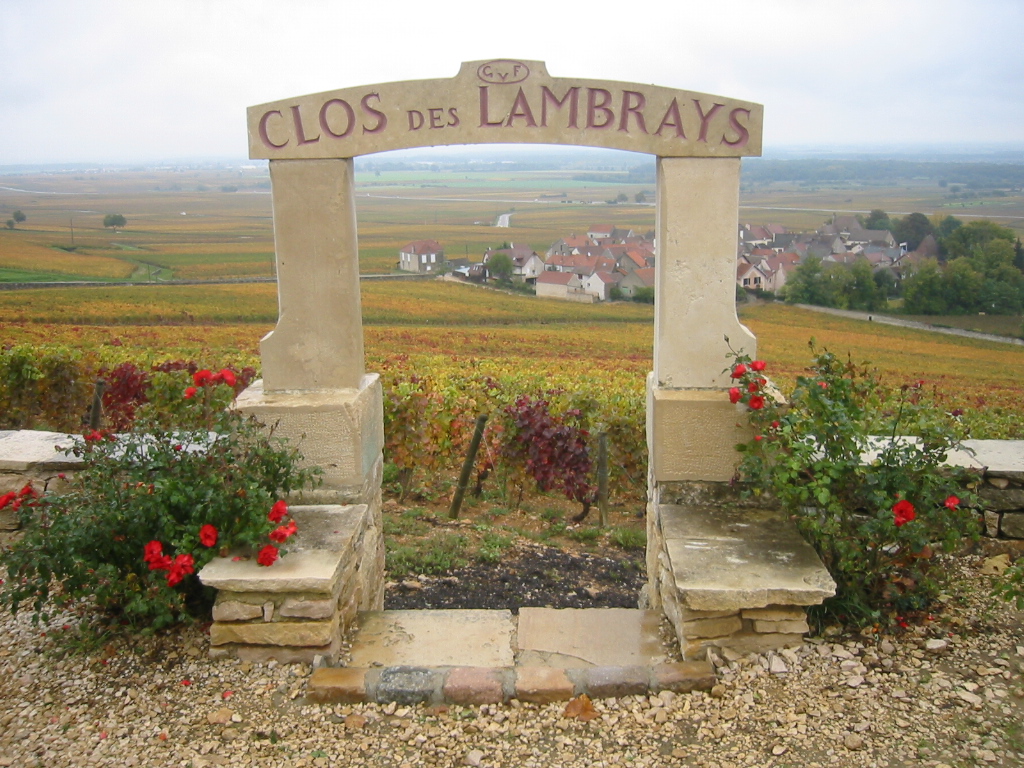
Entrée d'un Clos (Gate to a walled vineyard) - Burgundy
Burgundy, one of France’s most noble wine regions, stands remarkable and proud with respect to these ideas. There, the concept of terroir is now extended to that of climats. A terroir is thus composed of a mosaic of climats, each yielding an even more singular character to wines grown in precisely delimited parcels of land surrounded by walls called clos (walled vineyard). Over 600 climats give to each Appellation de Bourgogne a particular organoleptic personality, each with poetic names resonating with deep, ancestral connections.
As the organization ‘Les Climats de Bourgogne‘ is about to submit this novel concept to the UNESCO World Heritage Center in late 2011, do not hesitate to share your thoughts! And for those of you advanced enough in French, here is a wonderful video on the subject with famous French literary TV presenter Bernard Pivot, a proud supporter of the notion of climats (and if enough of you demand an English transcript, I might find the time to write one!):
