International Women’s Day is March 8, and in honor of this day, we are looking to two countries where women hold the highest position of power in their governments: Brazil and Germany. As we’ll see, President Dilma Rousseff and Chancellor Angela Merkel are just two of many powerful women from these countries and around the globe who are cause for celebration this Sunday.
BRAZIL
On March 8, 1857 thousands of women from New York’s garment industry marched and picketed in the streets for equal pay and better working conditions. On March 8, 1908 their sisters marched again. In 1909, at a conference in Copenhagen, Clara Zetkin proposed that March 8 be recognized as International Women’s Day, and in 1977 the United Nations adopted this as the date to observe the plight of women all around the world to earn equal rights.
In Brazil, in spite of the amazing progress attained in recent years, women still face an uphill battle. There are, however, many reasons to celebrate such as a decrease in the birth rate, more access to education and increased participation in the labor market.
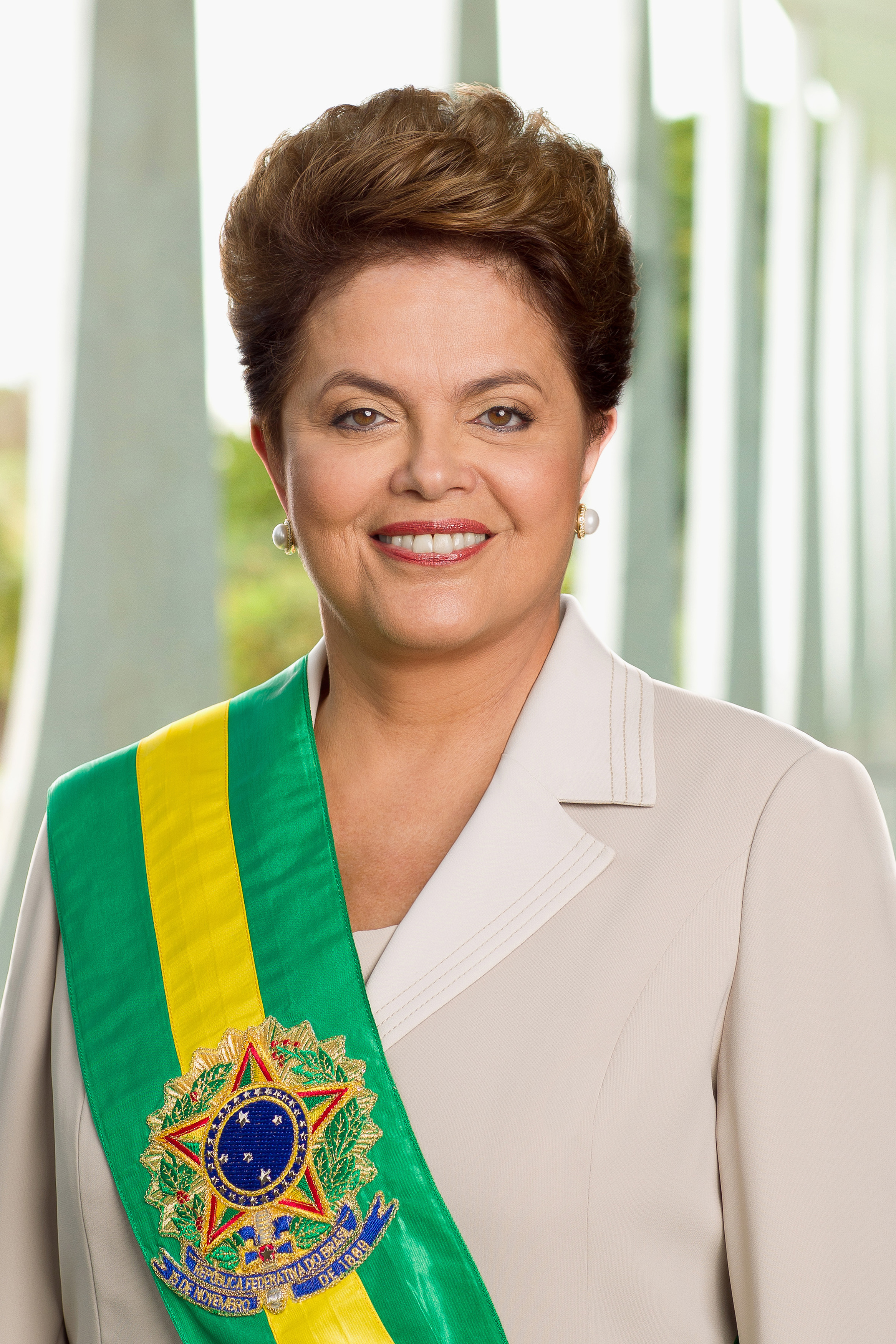
Dilma Rousseff, 36th President of Brazil
Incremental changes started in 1932 when women acquired the right to vote in Brazil, twelve years before France. In 1977 Brazil saw the first woman, Rachel de Queiroz, become part of the National Academy of Letters and in 1994, Roseana Sarney was the first woman be elected governor of a Brazilian state, Maranhao. In 1985, Sao Paulo pioneered the first Police Department dedicated exclusively to women. But the stone that burst the ceiling was the 2010 election of Dilma Rousseff as the country’s 36th president. Rousseff was re-elected last October for a second term.
World-famous Brazilian women like super-models Gisele Bundchen or Adriana Lima may make people think that Brazil, with its macho culture, values beauty more than brains, but that has increasingly become a part of the past. A new Brazil has been placing intelligent and capable women at its forefront at a pace that might soon make up for past oversights.
Brazilian executives that have made great strides in an industry traditionally dominated by their male counterparts include 60-year-old Graca Foster, the former president of Petrobras, a Brazilian oil company and one of the largest in the world, and 43-year-old political scientist Adriana Machado, recently elevated to GE CEO in Brazil.
Among other celebrated Brazilian women are the London Olympic Volleyball gold medal winners: Fabiana, Dani Lins, Paula Pequeno, Adenízia, Thaisa, Fernandinha, Jaqueline, Tandara, Natália, Sheilla, Fabi, Garay.
In addition, Clarice Lispector, Tomie Otake and Mira Schendel attest to the how women of different countries were and have been able to be successful in Brazil.
GERMANY
 The initiative to establish International Women’s Day was originally taken by the German feminist and socialist Clara Zetkin (1857-1933) at the International Socialist Congress in Copenhagen in 1910. In Germany, International Women’s Day was celebrated for the first time in 1911, and in 1918 the German women received their right to vote. (Finland had its first female member of parliament in 1907; American women received their right to vote in 1920. French women voted for the first time in 1945, Swiss women voted for the first time in federal elections in 1971, and Liechtenstein granted their women the right to vote in 1984.) In 1946 and 1947 the International Women’s Day was celebrated for the first time in East and West Germany, in 1961 Elisabeth Schwarzhaupt (1901-1986) became the first female cabinet minister in a West German government.
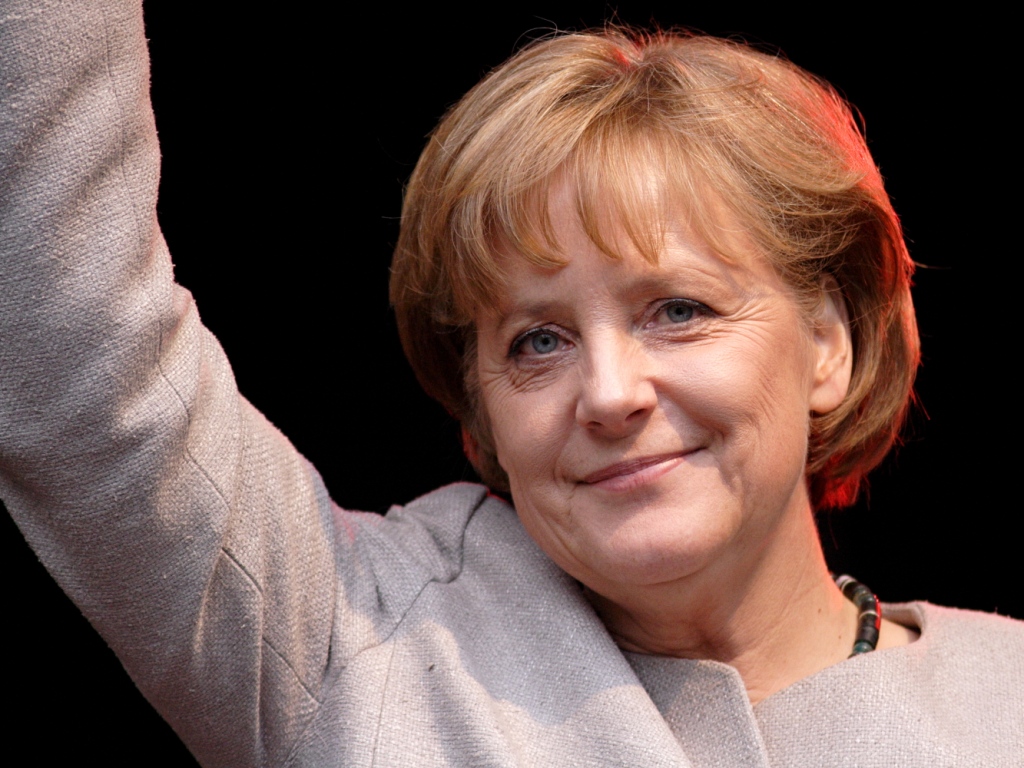
The chemist Angela Dorothea Merkel (born in 1954) was elected as the first German female Chancellor in 2005. (The German word Bundeskanzler changed to Bundeskanzlerin.) She was reelected in 2009 and in 2012 became the first woman to make Forbes Magazine’s List of the World’s Most Powerful People; she came in second behind Barack Obama. Not too shabby! The current German parliament consists of 622 members, 204 members are female; 5 out of 14 German cabinet ministers are women. But even with Angela Merkel in the highest office, German women are still in need of the International Women’s Day: When Rainer Brüderle, a leader of Germany’s pro-business Free Democrats, made public remarks regarding a female reporter’s dress size, he triggered a response by thousands of German women. They took to Twitter, sharing personal stories of humiliation, embarrassment and harassment under the hash tag “aufschrei.” (outcry) German women still earn on average 22 percent less than men in equivalent positions, sexual harassment at the workplace is widespread.
This International Women’s Day, who will you honor? Powerful women are all around us, in our daily lives as well as our governments. Let’s celebrate them and keep working towards equality for women everywhere.
