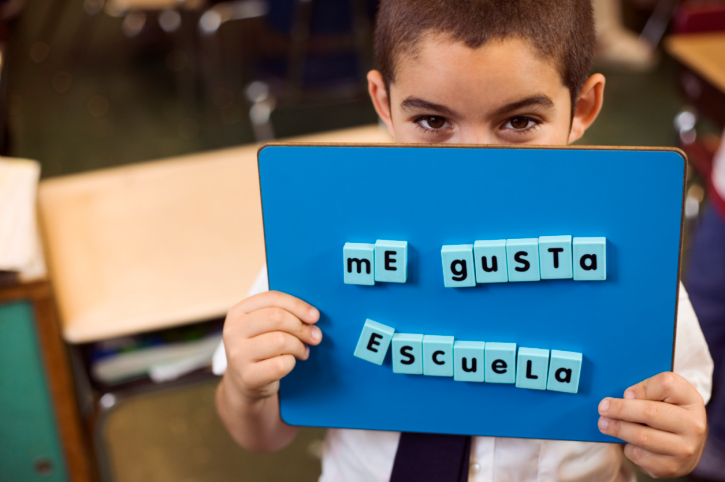
 La vuelta al cole - literally the return to school - is the familiar expression that we use in Spain to talk about children returning to their classrooms around the first week of September. The word cole (short for colegio, school) is reserved for the little ones. We don’t use it for el instituto (high school) or for la universidad (college).
Let’s take a look at some basic expressions to talk about the daily life in school:
aprobar el curso to pass the course
tomar/hacer un examen to take an exam
aprobar/suspender un examen to pass/fail an exam
escribir un trabajo/un ensayo to write a paper
estudiante a tiempo completo full time student
estudiante a tiempo parcial part time student
sacar buenas/malas notas to have good/bad grades
el horario de clases the class schedule
los deberes/la tarea the homework
el recreo/el patio the recess
las actividades extraescolares after school activities
el director/la directora the school principal
el maestro/la maestra/el profesor/la profesora the teacher
faltar a clase to miss class
In Spain profesor means both teacher and professor; we use maestro to mean teacher, and profesor through all school levels. Instead of in the school cafeteria, students eat in el comedor (the dinning room). During a regular school day children have two breaks. The first break takes place around 11:00 am and lasts from 20 to 30 minutes; this is the time to eat el almuerzo (a snack). The second break happens around 1:30 pm; it is a lunch break of an hour and a half, the moment to have la comida. Before going into the classrooms children hacen fila (line up), and when someone doesn’t behave, le castigan (he is punished). Finally, in Spain we prefer to call the students alumnos instead of estudiantes, and instead of enseñar (teach), teachers dan clase (give class).
You can practice these vocabulary and some more in our Language Lab.
