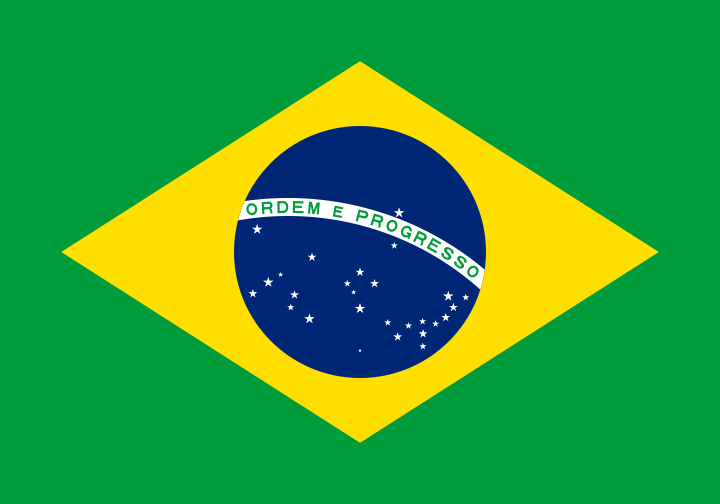
Brazilian day of independence is a multi-named holiday that includes the monikers Dia da Independência, Independence Day, sete de setembro, September 7, and Dia do Grito, literally, Day of the Shout, and celebrates Brazil’s declaration of independence from Portugal. It is a feriado nacional, national holiday, observed with desfiles, parades, and concertos, concerts.
História - History
The Portugal colonization had been undergoing several difficulties, and Brazilians were eager to gain independence. One of the main reasons was the fact that Portugal had imposed a commercial monopoly and Brazilians wanted to be able to trade freely. Another reason was Portugal levied high taxes that led to rebellion among many groups.
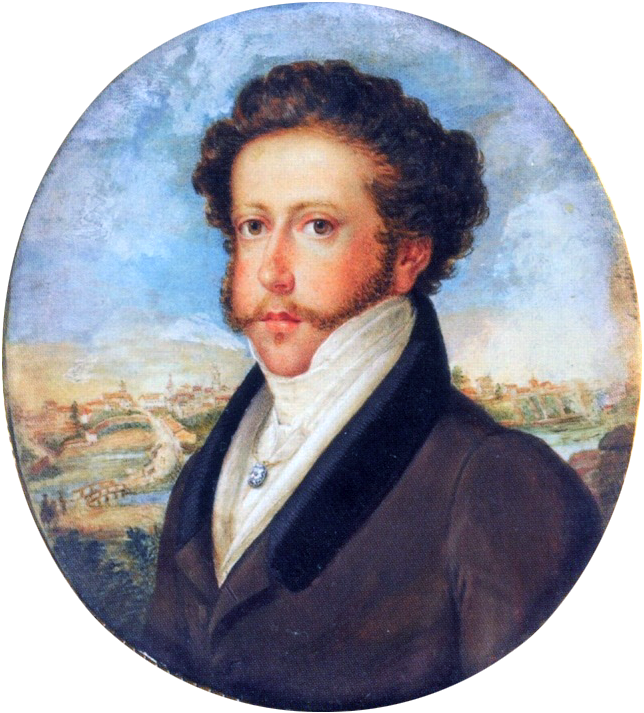
Principe Regente Dom Pedro I, Prince Don Pedro the First of Portugal was in charge of reining over the country and agreed with many Brazilian políticos, politicians e intelectuais, and intellectuals that the best course for Brazil was to be independent.
So on September 7, on the banks of the Ipiranga River, he uttered the famous shout: “Indepêndencia ou Morte”, independence or death. By doing so he severed the links to the Portuguese court and became Brazil’s first Emperor.
Hino Nacional - National Anthem
O Hino Nacional Brasileiro, the Brazilian National Anthem, starts describing some of the events that took place on the banks of the Ipiranga on September 7 and then goes on to praise the country’s belezas naturais, natural beauties, honrar a bandeira, honor the flag e inspirar o patriotismo, and inspire patriotism.
Click on the link below to read the lyrics and hear the national anthem.
http://letras.mus.br/hinos-de-paises/46368/
Influências Portuguesas - Portuguese Influences
Finally, although Brazil became independent in 1822, Brazilians have preserved many traditions from the over 300 years of Portuguese rule. Of course, the most enduring and important Portuguese legacy is the língua, language, but other tradições, traditions have remained a valued part of the Brazil’s customs.
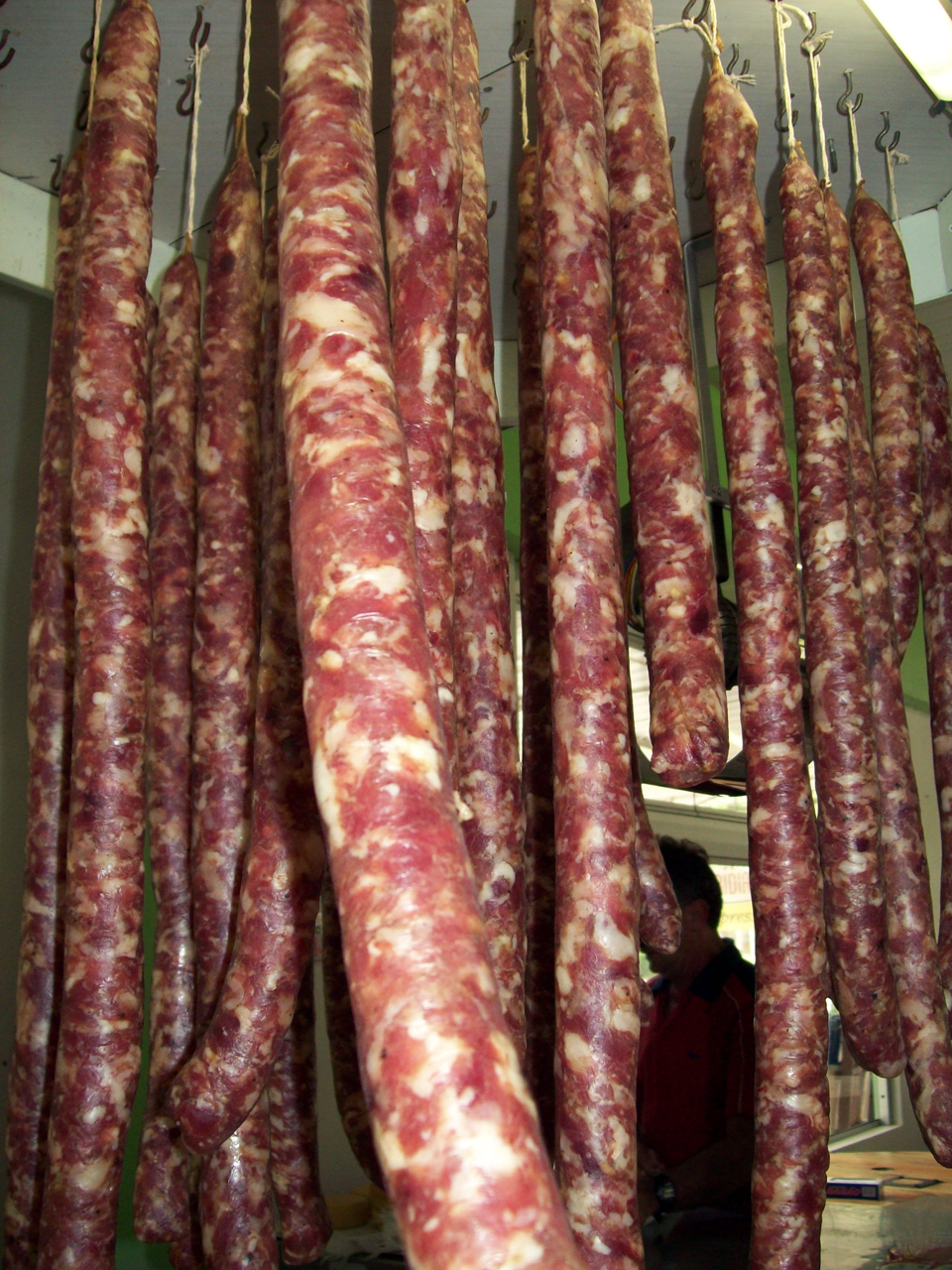
Da culinária portuguesa, of the Portuguese cuisine, Brazilians adopted linguiças, sausages, and frutas em preservas, fruit preserves, among so many others.
The Portuguese also brought a religião Católica, Catholic religion, and their arte barroca, Baroque art and fado, fado music, continue to be a major source of inspiration.
