In the classical Japanese language, December was called 師走 (しわす shiwasu). There are several theories as to the origin of this word, but the most commonly repeated version describes the meaning of the word this way: “The month when everybody gets busy and even a high-ranked monk has to run around”. It’s true! December has always been considered the busiest month for everybody in Japan. How so?
New Year’s is probably the most important holiday in Japan (see my blog post on New Year’s holidays in Japan). Since everybody wants to spend New Year’s holidays feeling fresh and happy, people feel obliged to do thorough preparations in December, especially toward the end of the month. This includes house-cleaning, writing new year’s cards in advance, preparing New Year’s dishes called 御節 (おせち osechi) in advance, and even going to a full-service gas station to have a car maintained and washed up perfectly. People also try to wrap up work projects before the holidays begin.
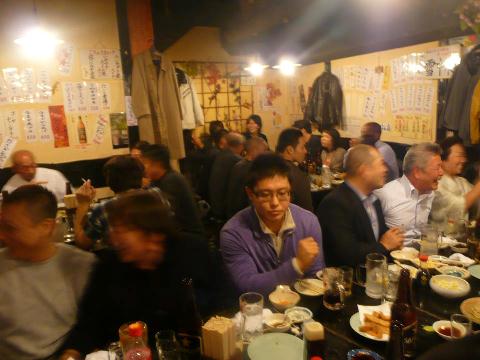
December is also the time for 忘年会 (ぼうねんかい bounenkai), which is “the end-of-the-year party”. Throwing a bounenkai with colleagues is the most common type. Bars and restaurants get very busy with party groups in December. We see a lot of drunk people late at night on the streets in December.
…And there’s Christmas. Sort of. Japanese Christmas is a commercialized amalgam of Japanese and Western cultural influences; there is nothing religious about Christmas in Japan. There are some skewed and “Japanesified” Christmas events, which include buying and eating fried chicken and strawberry shortcakes and having a romantic date with your boyfriend or girlfriend. I will definitely talk about Japanese Christmas “tradition” on my next blog post!
As you can see, December is definitely a busy month in Japan. If you know somebody in Japan, it might not be a good idea to ask for a favor. You’ll probably hear a familiar refrain, “I’m sorry, but I’m just so busy this month!”
