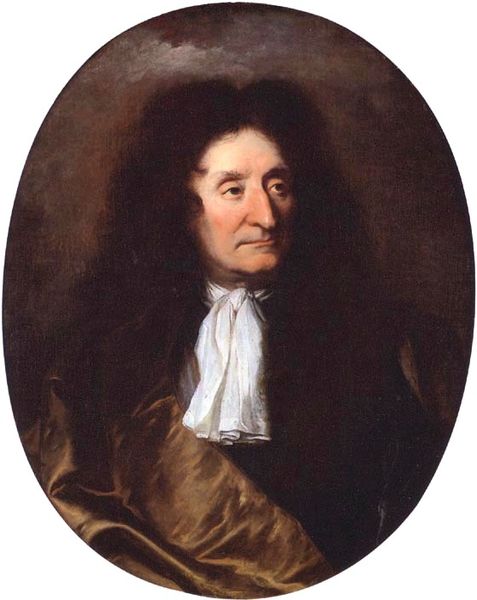
La Fontaine, by Rigaud
Although he is now remembered mostly for his fables, La Fontaine was a prolific writer, producing works in many literary genres, from licentious tales, to poems, plays and libretti. In France, Jean de la Fontaine’s fables have for long been used for children’s education because of their moralist perspective. However, his fables, first published in 1668, are considered like some of the greatest masterpieces of French literature.
Born in 1621, Jean de La Fontaine came from a wealthy family. In his thirties, when he began his career in letters, he was introduced to Nicolas Fouquet, then Superintendent of Finances under King Louis XIV. Though they developed close relations, La Fontaine kept his distances from the Royal Court but frequented the literary world of his time.
When Fouquet was imprisoned by the young king for his extravagant displays of wealth, La Fontaine remained faithful to his protector. Henceforth, one discerns through his works a sophisticated satire of the Royal Court, notably with the use of various animals as main protagonists of his tales.
Beneath an apparent simplicity, La Fontaine’s mastery of verses, musical quality and complex poetry is constantly recognized and praised. Yet, his writings remain accessible, touching a wide public with a vast palette of simple characters in often pastoral settings.
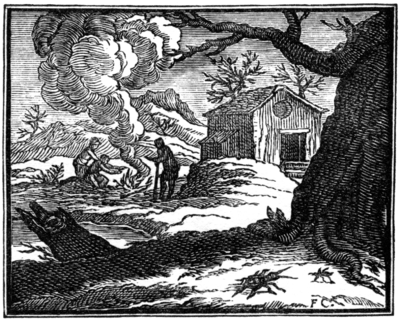
Here is one of his most famous fable (in both French and English) :
La Cigale et la Fourmi (The Cicada and the Ant)