Impress your Chinese friends with some Chinese tongue twisters!
Below are some of the most well-known tongue twisters in the Chinese language. Practicing tongue twisters is a fun and a rewarding way to improve both your pronunciation and your tones. Tones are especially important since since they are used to clarify the meanings of words like 是 shì (is) and 十 shí (10) as you can see in the third tongue twister. Give it a try!
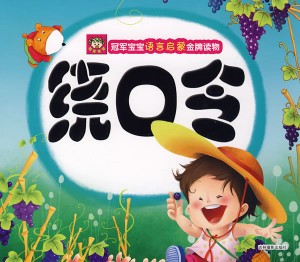
绕口令 rào kǒu lìng (tongue twister)
绕 rào (move around, coil)
口 kǒu (mouth)
令 lìng (order, command)
Vocabulary:
吃 chī (eat)
葡萄 pútáo (grapes)
不 bù (not)
吐 tǔ (spit)
葡萄皮 pútáo pí (grape skin)
倒 dào (fall, topple)
吃葡萄不吐葡萄皮,chī pútáo bù tǔ pútáo pí (When you eat grapes, do not spit the grape skin out)
不吃葡萄倒吐葡萄皮bù chī pútáo dào tǔ pútáo pí. (When you do not eat grapes, spit the grape skin out.)
Notice how the characters 吃chī (eat) and 吐tǔ (spit) both have “the mouth radical” 口 kǒu on the left. Often, characters which are related to an action in which the mouth is used will contain the mouth radical.
Here are some other examples:
叫 jiào (call)
唱 chàng (sing)
吻 wěn (kiss)
喝 hē (drink)
Vocabulary:
扁 担 biǎndan (shoulder pole, carrying pole)
长 cháng (long)
板 凳 bǎndèng (wooden bench or stool)
宽 kuān (wide)
绑 bǎng (bind, tie)
在 zài (be at)
上 shàng (on)
不 让 bú ràng (does not allow)
非 要 fēi yào (simply must, to insist on doing something)
扁担长, 板凳宽,biǎndan cháng, bǎndèng kuān,
扁担比板凳长,biǎndan bǐ bǎndèng cháng,
板凳比扁担宽,bǎndèng bǐ biǎndan kuān,
扁担绑在了板凳上,biǎndan bǎng zài le bǎndèng shàng,
板凳不让扁担绑在板凳上,bǎndèng bú ràng biǎndan bǎng zài bǎndèng shàng,
扁担非要绑在板凳上。biǎndan fēi yào bǎng zài bǎndèng shàng。
The shoulder pole is long, and wooden bench is wide,
the shoulder pole is longer than the wooden bench,
the wooden bench is wider than the shoulder pole.
The shoulder pole is tied around the wooden bench,
the wooden bench doesn’t allow the shoulder pole to be tied around the wooden bench,
the shoulder pole simply must be tied around the wooden bench.
Vocabulary:
四 sì (4)
十 shí (10)
十四 shísì (14)
四十 sìshí (40)
是 shì (is)
只 zhǐ (measure word)
石子 shízǐ (pebble)
死 sǐ (dead)
四是四 ,Sì shì sì, (4 is 4)
十是十 ,shí shì shí, (10 is 10)
十四是十四 ,shísì shì shísì, (14 is 14)
四十是四十 ,sìshí shì sìshí, (40 is 40)
四十四只石子是死的 。sìshísì zhǐ shízǐ shì sǐ de. (44 stones are dead.)
Note: 不bù (no,not) when 不 stands alone or it preceded a first, second, or a third tone, it is pronounced as fourth tone. Example: 不吐 bù tǔ (do not spit). However, when 不 precedes a fourth tone it is pronounced as second tone. Example: 不 让 bú ràng (is not).
For more Chinese tongue twisters, visit http://hua.umf.maine.edu/Chinese/topics/tongue/douzhong.html
